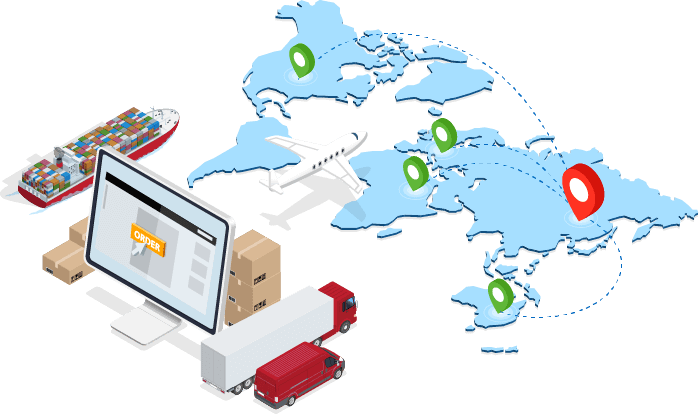
Introduction: Sea freight from China to Canada typically takes 16 to 40 days and offers a cost-effective, versatile shipping solution balancing speed, cost, and logistics for businesses.
In a bustling warehouse full of carefully packed goods awaiting their journey, the choice of shipping from China to Canada becomes a pivotal moment for any business. Whether it’s an electronics manufacturer or a textile importer, selecting the right logistics method directly impacts delivery speed and costs. The sea freight from China to Canada option often emerges as a reliable backbone for many companies aiming to balance efficiency and economy. As supply chains grow increasingly complex, understanding these shipping dynamics helps businesses navigate international trade with greater confidence and clearer expectations.
Comparing Sea Freight and Air Freight Options for China to Canada Shipping
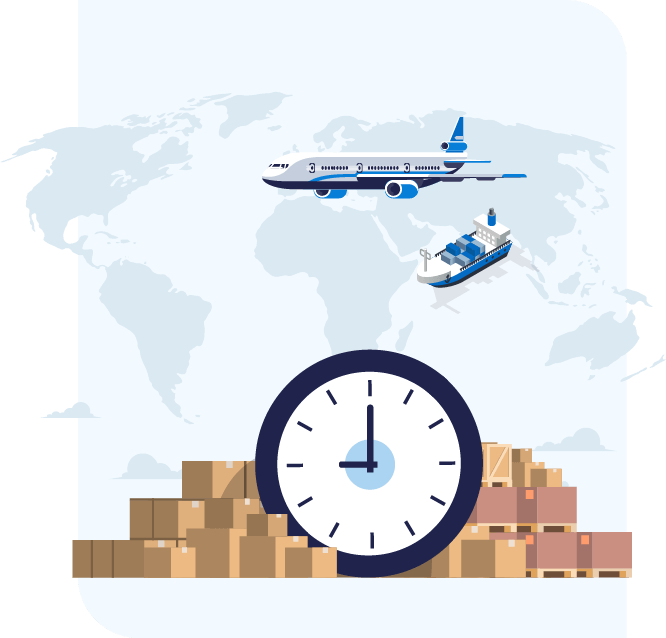
When considering shipping from China to Canada, businesses frequently weigh the advantages of sea freight from China to Canada against those of air freight. Sea freight provides a cost-effective, steady option particularly suited for large shipments or bulky cargo. With transit times averaging about 16 to 40 days, sea freight aligns well with companies planning inventory ahead and aiming to minimize expenses. On the other hand, air freight offers significantly faster delivery, typically within 1 to 5 days, making it ideal for urgent shipments or high-value products requiring quick turnaround. While air freight carries a premium per kilogram, it accommodates oversized and overweight cargo with flexible handling options. Businesses often decide based on their specific shipment urgency, cargo size, and budget constraints, sometimes blending both methods depending on fluctuating demands. The sea freight from China to Canada remains widely favored for its ability to support full container loads (FCL) and less than container loads (LCL), adding versatility to how businesses optimize their supply chains. Understanding how these transport modes match operational rhythms allows companies to better plan shipping schedules while reducing risk involved with international logistics.
Key Canadian Ports and Airports for Streamlined Freight Forwarder China to Canada Services
Shipping from China to Canada relies heavily on the efficiency of key Canadian ports and airports that handle incoming freight swiftly. Major sea ports such as Vancouver, Montreal, and Halifax play vital roles in managing the steady flow of goods transported via sea freight from China to Canada. These ports offer advanced facilities and well-organized customs clearance services, allowing for smoother transitions from sea vessels to land transport networks. Meanwhile, airports including Toronto Pearson International, Vancouver International, and Montréal-Pierre Elliott Trudeau International Airport serve as critical hubs for air freight shipments. Each location is equipped to handle diverse cargo types efficiently with active support from freight forwarders who excel in coordinating pickup, delivery, and necessary storage. The selection of a port or airport can influence the transit time and ease of customs procedures, impacting overall shipping experiences. This intertwining of logistics infrastructure with comprehensive freight forwarding services helps ensure that shipments remain on schedule, whether arriving by sea or air. By leveraging these strategic Canadian gateways, businesses shipping from China to Canada achieve a blend of reliability and streamlined operation that keeps goods moving fluidly across borders.
Warehouse and Customs Services Impacting China to Canada Shipping Efficiency
An integral part of shipping from China to Canada involves not just transit but also the management of warehousing and customs clearance processes that shape overall shipment reliability. Efficient warehousing services connected to freight forwarding arrangements enable businesses to hold inventory temporarily before final distribution, allowing flexibility in managing supply chain timing. Furthermore, customs clearance services provided by experienced logistics partners navigate complex import regulations, minimizing delays and reducing compliance risks. These services often encompass detailed documentation handling, tariff management, and inspection facilitation that protect shipments from unforeseen hold-ups. Additional services like cargo insurance and door-to-door delivery strengthen operational security and convenience, especially for companies sourcing raw materials or finished products in China. Together, warehouse and customs expertise blend into the broader logistics ecosystem that supports shipping from China to Canada, ensuring cargo passes through each stage with care and precision. This multifaceted approach not only speeds up customs formalities but also reflects the adaptability logistics providers bring to varied cargo sizes and shipment types using sea freight from China to Canada or alternative methods.
In the landscape of international commerce, the choice of shipping from China to Canada shapes how businesses manage their supply chains and future planning. By understanding the balance between transit time, cost, and logistical support offered through core ports, airports, and service providers, companies enhance operational confidence. Offering a flexible design in delivery options that merge sea freight from China to Canada with air freight and related services, the shipping process responds well to evolving business demands. If businesses aim to refine their import strategies and maintain steady inventory flow while managing expenses thoughtfully, exploring these shipping solutions provides a thoughtful step forward. This layered system of transportation, customs, and warehousing adapts smoothly to the emerging shapes of global trade, reflecting a reliable journey from departure to final arrival.
ABL-LOGISTICS offer international air freight, international sea freight (FCL & LCL), oversized cargo transportation, door-to-door delivery, or delivery to Amazon warehouses.