Introduction: Choosing between air and sea freight from China to Canada depends on urgency, cargo size, and cost, with sea freight typically taking about sixteen days for full containers.
Last week’s delayed shipments highlighted the complex decisions businesses face when managing logistics. Importers weighing cost against urgency often encounter trade-offs, especially in international transport. For companies seeking cost-effective business imports, understanding the nuances of shipping from China to Canada is essential. Whether choosing air freight for speed or sea freight for affordability, selecting the right method can influence inventory flow and cash management. Freight forwarding services streamline this choice, offering tailored solutions that bridge timing, cargo volume, and compliance demands efficiently.
Choosing Between Air Freight and Sea Freight Based on Cargo Volume and Delivery Needs
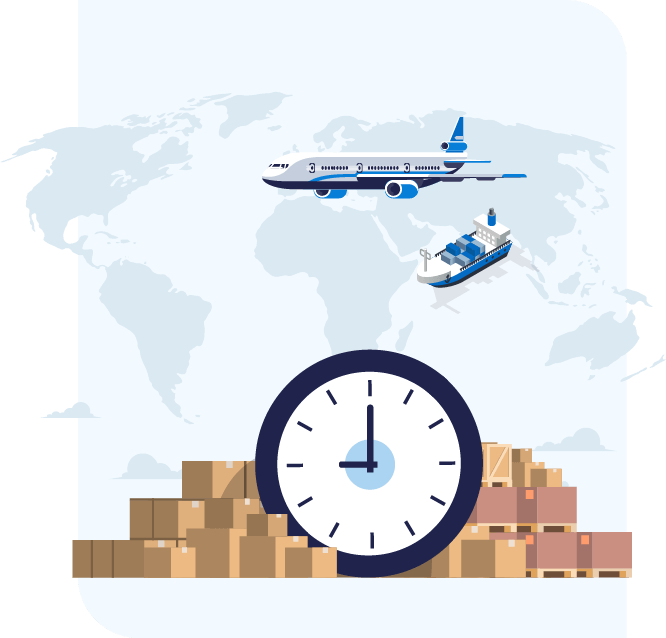
Shipping from China to Canada requires balancing urgency with shipment size, and the choice between air freight and sea freight often revolves around these factors. Air freight suits businesses needing fast delivery with smaller or high-value cargo that must arrive promptly, typically within one to five days. These services are appreciated by industries where timing impacts production or sales cycles, such as electronics or medical supplies. However, for larger shipments or less time-sensitive goods, sea freight from China to Canada represents a more economical option, particularly for full container loads. Sea freight offers stable and predictable transit around sixteen days from major ports like Shenzhen to Vancouver. The volume and nature of goods frequently dictate this choice; bulky or heavy goods such as machinery or furniture benefit from sea freight's capacity, while lighter goods can sometimes be more cost-effectively air-shipped depending on weight and urgency. Accurate assessment of shipment priorities is essential for minimizing costs without compromising delivery schedules.
Consolidation Techniques in Less Than Container Load Shipments
When shipping from China to Canada, not all businesses require a full container, making Less than Container Load (LCL) an attractive method. Consolidation techniques bring multiple small shipments together, sharing space in a container to reduce transportation costs while maintaining reasonable delivery times. This approach supports smaller businesses or those with varied product lines who may not fill an entire container but still want to take advantage of sea freight’s cost savings. Effective consolidation depends on careful coordination to avoid delays and damage, which is where freight forwarders play a critical role. They manage cargo consolidation, warehousing, and scheduling, ensuring that LCL shipments merge smoothly without compromising customs clearance or timing. By leveraging these services, importers can economize without sacrificing reliability, particularly when shipping from China to Canada’s diverse markets. This flexibility complements other shipping options, enabling importers to optimize their supply chains according to shipment size and timing requirements.
Coordination of Customs and Compliance in Freight Forwarder China to Canada Operations
Navigating customs and regulatory compliance is a vital aspect of shipping from China to Canada that can introduce delays or unexpected costs if mishandled. Freight forwarders specializing in these routes offer expertise that eases this complexity by ensuring all documentation, tariffs, and inspections align with both countries’ regulations. They monitor changing customs policies and import restrictions relevant to various goods including electronics, chemicals, and textiles, supporting smooth clearance processes. Coordinating customs also includes managing duties and taxes, which can influence the overall cost-effectiveness of sea freight from China to Canada. Reliable forwarders use their local and international networks to channel shipments through major Canadian ports and airports efficiently, preventing bottlenecks. Seamless customs handling integrated with warehousing and cargo insurance enhances supply chain resilience. For businesses, this support mitigates risks around compliance failures and holds shipment timeliness as a priority, making the overall import process more predictable and transparent.
Careful consideration of shipping from China to Canada brings both peace of mind and practical advantages. By embracing the cost-efficiency of sea freight from China to Canada for larger shipments or consolidations, businesses gain adaptability without sacrificing the reliability needed in global trade. Thoughtful coordination of customs and compliance further lessens uncertainty, smoothing operational flow. When logistics align with these factors, companies enjoy smoother inventory management and reduced risk of costly delays—elements fundamental to a steady and successful importing strategy.
Shipping From Shenzhen China to Canada – Practical overview of shipping methods, transit times, costs, and customs considerations for shipments originating from Shenzhen to Canada
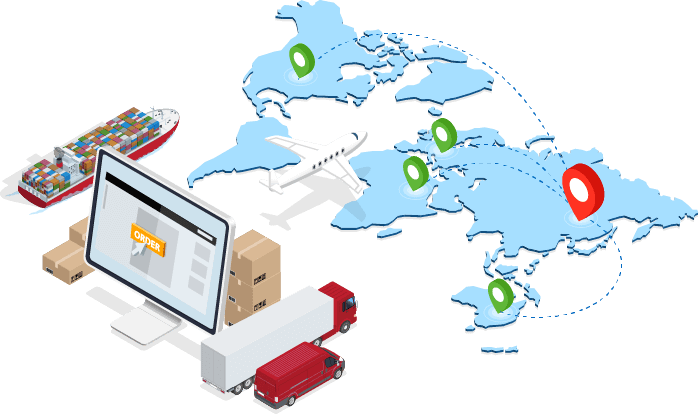
ABL-LOGISTICS offer international air freight, international sea freight (FCL & LCL), oversized cargo transportation, door-to-door delivery, or delivery to Amazon warehouses.