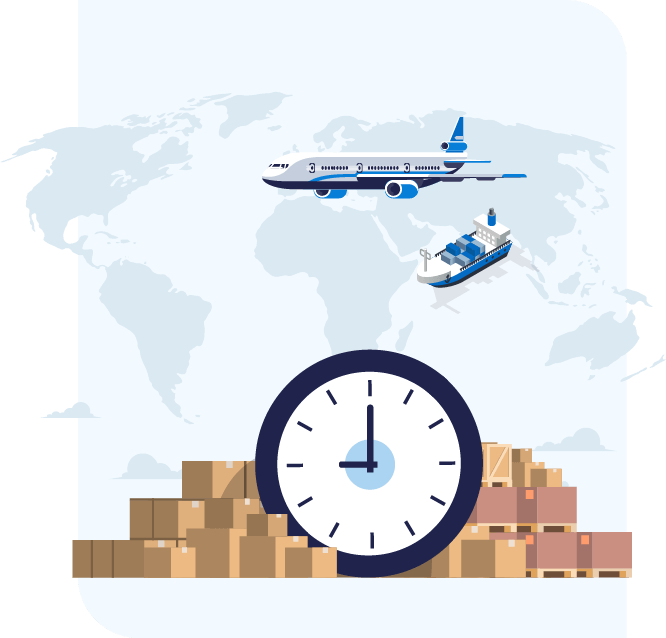
Introduction: Air freight from China to Canada offers rapid transit—reducing delivery from weeks to days—while balancing cost, cargo size, and integration with warehousing and customs for efficient supply chains.
Navigating the myriad options available in logistics can be overwhelming when shipping from China to Canada. With countless carriers, routes, and modes to choose from, businesses often find themselves at a crossroads deciding between faster, more expensive air freight or slower, more economical sea freight. The abundance of choices demands a practical perspective that aligns speed, cost, and cargo specifics efficiently. Within this context, the strategic use of air freight from China to Canada emerges as a prominent solution, especially for companies seeking a balance between timely delivery and reliable service.
Fast Transit Advantages and Capacity for Oversized Cargo
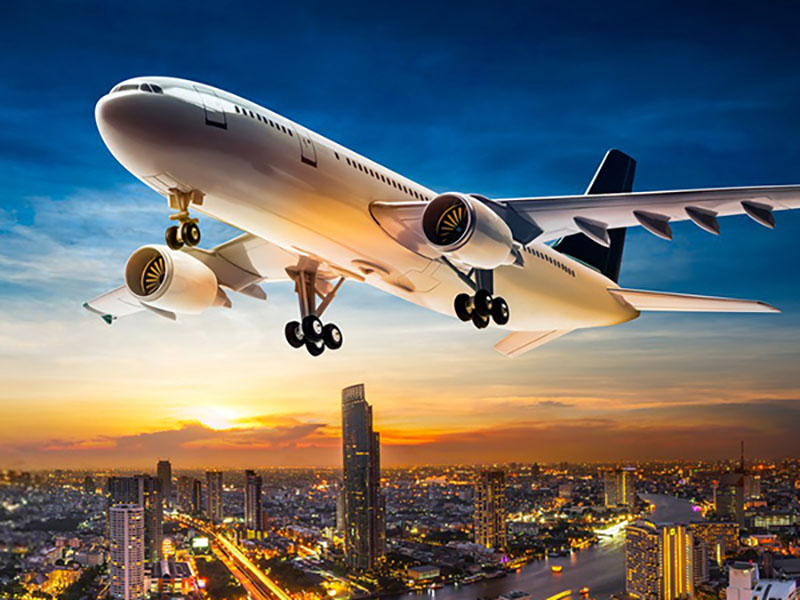
When time sensitivity is a priority, air freight from China to Canada stands out for its rapid transit times and adaptability to unique cargo requirements. Businesses dealing in perishable goods, urgent machinery parts, or high-demand electronics value this swift mode of transportation that cuts transit days from weeks to mere hours or days. Furthermore, air freight is not only about speed; it also accommodates oversized and overweight shipments that sometimes challenge traditional cargo limitations. This flexibility makes it possible to ship bulky or oddly shaped items that sea freight from China to Canada might not efficiently handle due to container constraints or scheduling complexities. For companies aiming to minimize inventory delays without compromising on size or weight, air freight offers a practical middle ground. Despite the inherently higher costs when compared with sea freight, the decreased transit time and reduced handling provide significant advantages in terms of reducing overall supply chain bottlenecks and safeguarding product integrity. In sectors where time-sensitive demand or large product dimensions dominate logistics strategies, air freight proves indispensable, maintaining momentum in increasingly competitive markets.
Cost and Weight Considerations in Air Freight from China to Canada
While air freight ensures speed and specialized cargo capacity, cost and weight factors play crucial roles in determining its suitability compared to sea freight from China to Canada. Generally, air freight pricing relies heavily on weight and volume, with rates typically higher per kilogram than sea freight. Companies must weight their cargo alongside budget constraints to decide the best logistics approach. For lighter, high-value goods, air freight can represent a cost-effective choice by reducing inventory holding costs and accelerating time to market, thereby offsetting the premium rates. However, for bulkier or heavier shipments, sea freight remains a more economical alternative given the economies of scale available through full container loads or consolidated shipments. The sea freight from China to Canada option provides steady progression for large consignments without the cost pressure of air transport, which can rapidly increase as cargo weight grows. Thus, businesses often blend both logistics options, relying on air freight for critical, lighter items while utilizing sea freight for standard-volume deliveries. This nuanced approach ensures a better balance between operational costs and delivery expectations, underscoring the importance of analyzing shipment characteristics rather than choosing a mode based purely on speed or price.
Integration with Warehousing and Customs Processes by Freight Forwarder China to Canada
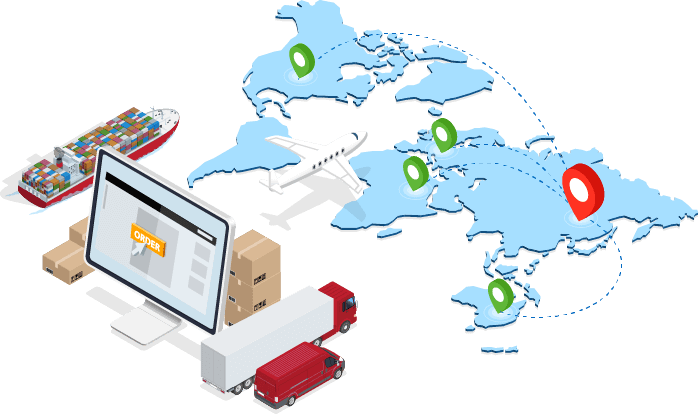
Effectively managing shipments from China to Canada encompasses more than transport alone; it involves seamless coordination of warehousing, customs clearance, and delivery services, where freight forwarders excel. A proficient freight forwarder handling shipping from China to Canada brings added value by integrating air and sea freight options with comprehensive logistics support. This includes advancing cargo through customs smoothly, minimizing delays caused by paperwork or regulatory inspections, and optimizing warehousing space for consolidated or staged shipments. Especially in complex supply chains, such coordination ensures that air freight pickups align precisely with warehouse readiness, preventing storage bottlenecks and ensuring continuing flow toward final destinations. Freight forwarders simplify the intricacies of both shipping methods, making the transition between air and sea freight more fluid. In dealing with sea freight from China to Canada, for example, a forwarder can consolidate multiple smaller shipments to achieve cost efficiency without sacrificing timing through well-planned customs and warehousing strategies. Overall, this integrated approach fosters agility in response to shifting demand or inventory needs while reinforcing compliance with trade regulations, serving as a vital link in modern international freight operations from China to Canada.
Combining air and sea freight options when shipping from China to Canada shapes a logistics strategy responsive to both urgency and economy. By shifting between faster air freight and cost-effective sea freight from China to Canada based on cargo type and schedule constraints, businesses reduce operational risks and maintain steady market engagement. This flexibility in transportation modes, supported by reliable warehousing and customs integration, keeps supply chains smoother amid evolving demands and international regulations. Shipping from China to Canada gains assurance not only through the speed or cost alone but by the coherent collaboration among transit modes and freight partners, nurturing resilience and consistency. As companies anticipate future shifts in import needs and delivery expectations, the thoughtful selection between air and sea freight will continue serving as an essential milestone for steady growth and dependable logistics outcomes.
ABL-LOGISTICS offer international air freight, international sea freight (FCL & LCL), oversized cargo transportation, door-to-door delivery, or delivery to Amazon warehouses.